
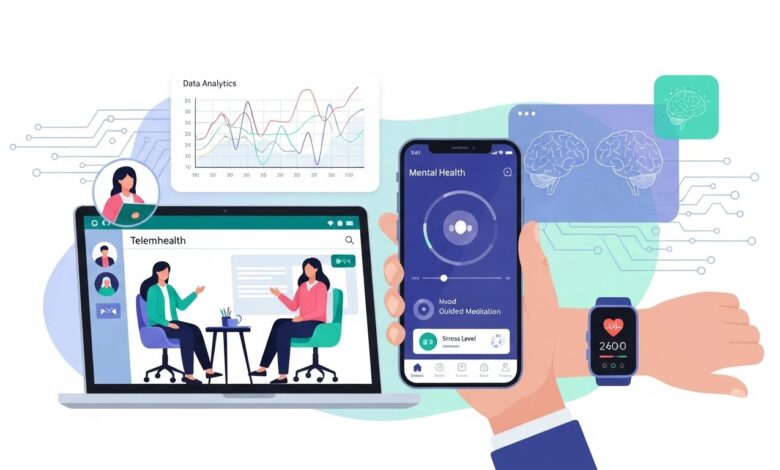
The integration of technology into behavioral health is revolutionizing the way mental health services are delivered, accessed, and experienced. Behavioral health tech encompasses a range of tools and applications designed to support mental health treatment, enhance patient engagement, and improve overall outcomes. This article explores the types of behavioral health tech, their benefits, and their future in the mental health landscape.
What is Behavioral Health Tech?
Behavioral health tech refers to digital tools and solutions used to address mental health and substance use disorders. This can include mobile applications, telehealth platforms, online therapy services, digital therapeutics, and data analytics tools that assist with diagnosis, treatment, and monitoring of behavioral health conditions.
Types of Behavioral Health Tech
- Telehealth Platforms
- Overview: Online services that facilitate remote consultations between patients and mental health professionals via video conferencing, chat, or phone calls.
- Benefits: Increased accessibility to care, reduced travel barriers, and greater convenience for patients.
- Mental Health Apps
- Overview: Mobile applications designed to support mental health management by offering resources like mood tracking, guided meditation, and cognitive behavioral therapy (CBT) exercises.
- Benefits: Continuous support, self-management tools, and increased engagement with mental health practices.
- Digital Therapeutics
- Overview: Evidence-based software designed to prevent, manage, or treat mental health conditions, often prescribed by healthcare providers in conjunction with traditional therapy.
- Benefits: Structured, clinically validated approaches that enhance treatment effectiveness.
- Wearable Technology
- Overview: Devices like smartwatches and fitness trackers that monitor physiological indicators, such as heart rate and sleep patterns, which can inform mental health status.
- Benefits: Real-time data collection, personalized insights, and early detection of mental health issues.
- Data Analytics Tools
- Overview: Software that analyzes behavioral health data to identify trends, improve treatment approaches, and enhance patient outcomes.
- Benefits: Data-driven insights that drive better clinical decisions and resource allocation.
Benefits of Behavioral Health Tech
- Increased Accessibility: Behavioral health tech reduces barriers to accessing mental health services, enabling patients to receive care when and where they need it.
- Enhanced Patient Engagement: Tools like mental health apps encourage patients to take an active role in their treatment, improving adherence and overall outcomes.
- Personalized Care: With data analytics and wearable technology, providers can tailor treatments to individual needs based on real-time data and insights.
- Cost Efficiency: Digital solutions can lower the costs associated with mental health care, making services more affordable for patients and providers alike.
- Stigma Reduction: Accessible and anonymous resources can encourage individuals who might hesitate to seek help to engage with mental health services.
Challenges and Considerations
While behavioral health tech offers numerous benefits, it also presents challenges:
- Data Privacy and Security: Protecting sensitive patient information must be a top priority as more health data is stored and shared digitally.
- Therapeutic Effectiveness: Ensuring that digital solutions are clinically validated is crucial for maintaining treatment efficacy and building trust with users.
- Digital Divide: Not all consumers have equal access to technology, which may exacerbate existing disparities in mental health care.
- Integration with Traditional Services: Successful implementation requires coordination between technology solutions and traditional mental health services to ensure comprehensive care.
The Future of Behavioral Health Tech
The future of behavioral health tech looks promising as innovation continues to emerge in the field. Advances in artificial intelligence, machine learning, and big data analytics are expected to enhance the personalization and effectiveness of digital mental health solutions. As the stigma around mental health continues to diminish, more people are likely to embrace these technologies, leading to improved overall mental wellness in society.
Conclusion
Behavioral health tech represents a significant advancement in how mental health care can be delivered and experienced. By increasing accessibility, enhancing patient engagement, and providing personalized care options, technology is transforming the landscape of behavioral health. As we move forward, addressing challenges and continuing to innovate will be key to unlocking the full potential of behavioral health technology.