
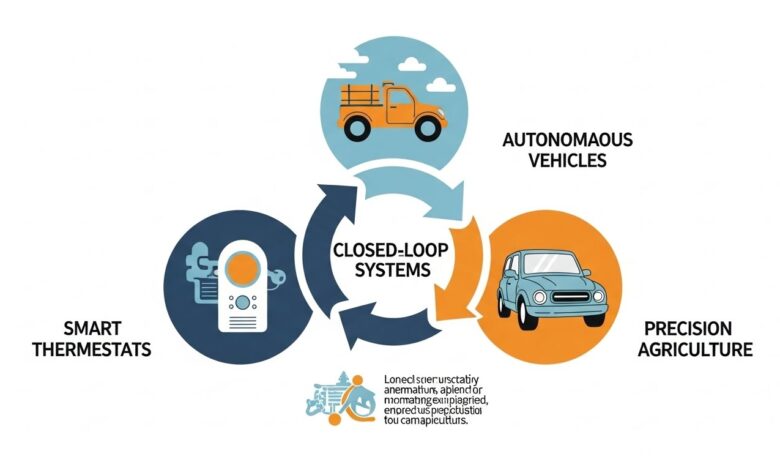
Closed loop systems are dynamic, feedback-driven processes that continuously improve and optimize performance based on real-time data. These systems have applications across various industries, enhancing efficiency, safety, and user experience. In this article, we’ll explore notable examples of closed loop systems and how they function in practical scenarios.
1. Smart Thermostats
Example: Nest Learning Thermostat
Smart thermostats like the Nest Learning Thermostat utilize closed loop systems to optimize heating and cooling in homes. They collect data on user behavior, external weather conditions, and energy consumption patterns to adjust temperatures intelligently. The thermostat continuously learns from user feedback, improving comfort and reducing energy costs.
2. Autonomous Vehicles
Example: Tesla Autopilot
Tesla’s Autopilot system exemplifies a closed loop system in the automotive industry. It gathers data from various sensors, including cameras and radar, to monitor the vehicle’s surroundings. The system processes this data to make real-time driving decisions, such as adjusting speed or changing lanes. Continuous feedback from the environment helps refine the algorithms, improving driving safety and efficiency over time.
3. Industrial Automation
Example: Siemens Digital Industries
Siemens employs closed loop systems in its industrial automation solutions, where machinery and processes are monitored and adjusted based on real-time feedback. Using data from sensors on production lines, these systems can optimize operations, predict maintenance needs, and reduce downtime. The feedback loop allows for continuous adjustments to improve productivity.
4. Agriculture Management
Example: Precision Agriculture Systems
Precision agriculture utilizes closed loop systems to enhance farming efficiency. Systems equipped with sensors collect data on soil moisture, crop health, and weather conditions. This data is analyzed to make real-time decisions about irrigation, fertilization, and pest control. By continuously monitoring and adjusting farming practices, farmers can optimize yields and conserve resources.
5. Fitness and Health Tracking
Example: Wearable Fitness Trackers
Wearable devices like Fitbit and Apple Watch represent closed loop systems in personal health management. These devices collect real-time data on physical activity, heart rate, and sleep patterns. Users receive feedback through the app, which offers insights and recommendations for health improvement. The system learns from user interactions to provide personalized insights and challenges.
6. Energy Management in Smart Grids
Example: ABB Smart Grid Solutions
Smart grid technologies use closed loop systems to manage electricity distribution efficiently. Data on energy consumption is collected from various points in the grid, allowing for real-time adjustments to supply and demand. The system can respond to fluctuations by rerouting energy and optimizing resource allocation, ultimately improving reliability and sustainability.
7. Supply Chain Management
Example: IBM Watson Supply Chain
IBM’s Watson Supply Chain employs closed loop systems to enhance logistics and supply chain operations. By analyzing data across the supply chain, the system provides real-time insights into inventory levels, demand fluctuations, and transportation efficiency. Continuous feedback helps companies minimize costs and streamline processes.
Conclusion
Closed loop systems are transforming various industries by leveraging real-time data and feedback for continuous improvement. From smart thermostats to autonomous vehicles, these examples illustrate how closed loop systems enhance efficiency, safety, and user experience. By understanding these applications, businesses and individuals can better appreciate the impact of technology on everyday life.


