
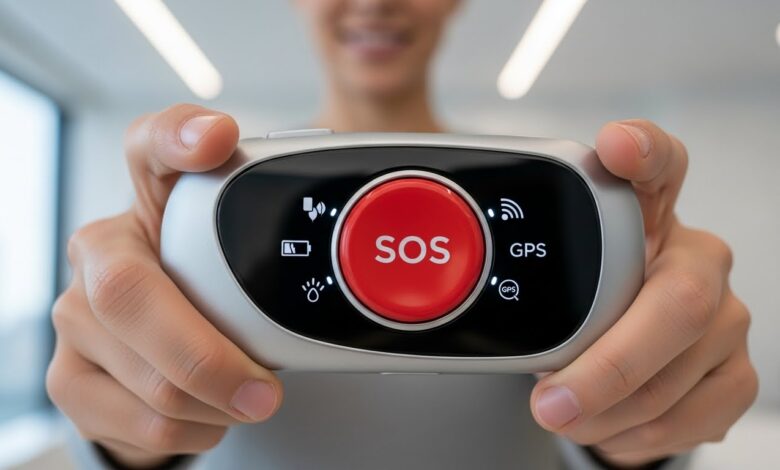
In an increasingly unpredictable world, personal safety has become a priority for many individuals. A Personal Alert Safety System (PASS) device serves as a vital tool to enhance personal security. This guide will delve into what a PASS device is, its features, benefits, and how to choose the right one for your needs.
What is a Personal Alert Safety System Device?
A Personal Alert Safety System device is a portable gadget designed to help individuals summon assistance in emergencies. These devices often come equipped with features that enable users to alert others of their location or situation with the push of a button. Ideal for various environments, including homes, workplaces, and while traveling, these devices provide peace of mind to users and their loved ones.
Key Features of Personal Alert Safety System Devices
- Emergency Button: Most PASS devices feature a prominent emergency button that, when pressed, sends an alert to designated contacts or emergency services.
- GPS Tracking: Many models include GPS functionality, allowing users to share their location in real-time with family or emergency responders.
- Two-Way Communication: Some devices offer built-in speakerphone features, enabling users to communicate directly with responders.
- Alerts and Notifications: Users can receive alerts for various safety concerns, including intruders, falls, or other emergencies.
- Mobile App Integration: Many modern PASS devices come with companion smartphone apps for easier adjustments and monitoring of safety settings.
Benefits of Using a Personal Alert Safety System Device
- Enhanced Safety: With a quick-access emergency alert system, users can feel more secure in their daily activities.
- Immediate Assistance: The ability to notify emergency services or trusted contacts immediately can be lifesaving in critical situations.
- Peace of Mind for Families: Knowing that their loved ones have access to a safety device reduces anxiety for both users and their families.
- Compact and Portable: Most PASS devices are designed to be lightweight and portable, making them easy to carry or wear.
- User-Friendly: With simple functionality and easy-to-navigate interfaces, these devices are accessible for users of all ages.
How to Choose the Right Personal Alert Safety System Device
When selecting a PASS device, consider the following factors:
- Functionality: Determine which features are essential for your needs, such as GPS tracking, two-way communication, or specific alert types.
- Battery Life: Look for devices with long battery life or rechargeable options to ensure reliability.
- Device Compatibility: If you prefer a model that integrates with your smartphone, check for app compatibility with your device’s operating system.
- Water Resistance: Consider whether you need a device that can withstand moisture, especially if used outdoors or during exercise.
- Price and Warranty: Evaluate your budget and look for devices that offer a good balance of features and price. Check if the manufacturer provides a warranty for added security.
Conclusion
A Personal Alert Safety System device can enhance personal security and provide peace of mind in today’s world. By understanding the features, benefits, and selection criteria, you can choose the best PASS device tailored to your needs. Investing in such a device not only protects you but also reassures those who care about your safety and well-being.