In today’s inclusive society, ensuring accessibility for individuals with hearing impairments is a top priority for businesses, including car dealerships. The implementation of hearing loop systems is becoming a vital feature that enhances communication and customer service. This article explores what a hearing loop is, its benefits, and how it transforms the car dealership experience for customers with hearing loss.
What is a Hearing Loop?
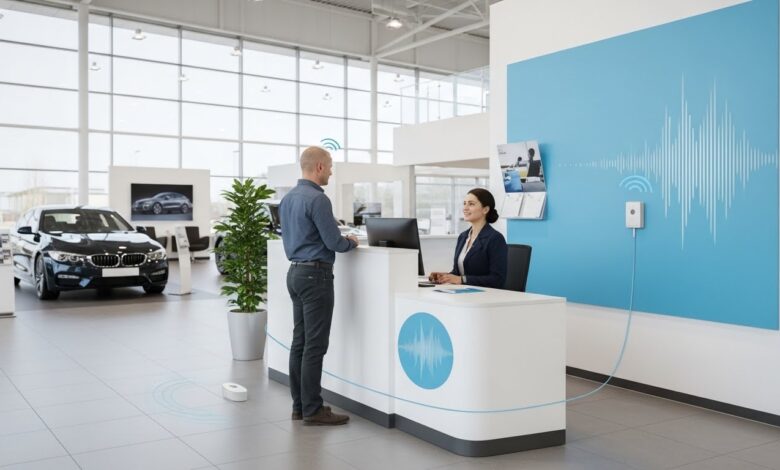
A hearing loop, also known as an induction loop, is a sound system implemented in public spaces that transmits clear audio signals directly to hearing aids equipped with telecoils (T-coils). The loop consists of a thin wire installed around a designated area, creating a magnetic field that picks up sound from microphones. When a customer with a hearing aid enters the looped area, they can hear audio directly through their device, significantly improving sound clarity and quality.
Benefits of Hearing Loops in Car Dealerships
- Enhanced Communication: Hearing loops provide clear and direct sound to customers with hearing aids, allowing them to communicate effortlessly with sales representatives and staff.
- Improved Customer Experience: With better audio clarity, customers can engage more confidently in conversations, ensuring they receive the information they need to make informed purchasing decisions.
- Inclusive Environment: Creating an accessible space demonstrates the dealership’s commitment to inclusivity, attracting a broader customer base and fostering goodwill in the community.
- Increased Sales Opportunities: By improving communication with hearing-impaired customers, dealerships can better understand their needs and preferences, leading to higher satisfaction and increased sales.
- Compliance with Regulations: Implementing a hearing loop system helps dealerships comply with accessibility laws and regulations, ensuring they meet the needs of all customers.
How Hearing Loops Work
- Installation: A thin copper wire is installed around the designated area (e.g., reception desk, showrooms). This wire creates a magnetic field when audio signals are transmitted through it.
- Microphones: The dealership uses microphones to capture audio from conversations, announcements, or promotional materials.
- Signal Transmission: The audio is transmitted through the wire, generating a magnetic field. Customers with hearing aids equipped with T-coils can pick up the sound directly, filtering out background noise.
- Direct Listening: Customers with T-coil-enabled hearing aids can switch to the “T” setting to receive audio directly from the hearing loop, ensuring optimal clarity.
Implementing a Hearing Loop in a Car Dealership
- Evaluate the Space: Assess the dealership layout to determine areas where a hearing loop would be most beneficial (e.g., sales floors, customer service desks).
- Choose the Right System: Work with professionals to select a hearing loop system that meets the dealership’s size and acoustic requirements.
- Professional Installation: Hire specialists to install the hearing loop system to ensure compliance with standards and effective performance.
- Staff Training: Train dealership staff on the operation of the hearing loop system and how to assist customers with hearing loss effectively.
- Promote Awareness: Inform customers about the availability of the hearing loop system through signage and staff communication, encouraging its use.
Conclusion
Implementing a hearing loop system in a car dealership is a powerful step toward enhancing accessibility and improving the customer experience. By ensuring clear communication for individuals with hearing impairments, dealerships can create a more inclusive environment, leading to increased customer satisfaction and loyalty. As awareness of accessibility needs continues to grow, investment in hearing loop technology will position dealerships as leaders in customer service and inclusivity.